

Updated on: June 6, 2026
Reading Time: 3 minutes
TL;DR: Effective driver management requires real-time monitoring, performance analytics, and proper route optimization to maximize efficiency and safety. Modern fleets using driver management systems report significant improvements in delivery productivity and safety metrics. Route optimization tools like Zeo Route Planner address this with AI-powered route optimization and real-time GPS tracking, helping delivery teams save 2+ hours daily.
Logistics businesses often overlook driver management, which is crucial for efficient delivery processes. Effective driver management simplifies the delivery process, improves transparency in fleet operations, and ensures driver safety. It also increases efficiency, ensuring packages reach customers safely without damage.
The importance of proper driver management cannot be overstated, and leveraging technology to maintain driver safety can improve delivery operations. This post guides managing drivers effectively, leveraging technology to maintain driver safety, and how driver management software helps your business enhance delivery operations.
What Is Driver Management?
Safe package delivery to every customer is crucial, no matter the size of your delivery company. However, successful delivery requires more than just tracking packages in real-time; it also involves closely monitoring your drivers and how they handle daily delivery procedures.
Supervising the actions of drivers responsible for package delivery is known as driver management. This involves managing and overseeing a fleet of drivers and their activities to ensure they perform their jobs properly and safely.
Driver management should be a top priority and should focus on key areas such as appropriate driver training, vehicle maintenance, fuel usage, and accident prevention. An organized fleet management strategy begins with effective driver management.
Read More: What is a Driver Management System?
The Business Impact of Poor Driver Management
Without proper driver management systems in place, businesses face significant operational challenges. Poor route planning leads to excessive fuel consumption, with commercial vehicle fuel costs representing up to 30% of total fleet operating expenses. Inefficient driver assignment and routing directly impacts customer satisfaction, as delivery delays and missed time windows create negative experiences that can damage brand reputation.
Manual driver coordination also increases administrative overhead, with fleet managers spending hours each day on route planning, driver communication, and performance tracking. This time could be better invested in strategic business growth activities. Additionally, lack of real-time visibility into driver locations makes it difficult to respond to customer inquiries, handle emergency deliveries, or optimize routes based on changing conditions.
Ways to Develop an Effective Driver Management Strategy
When there are a lot of drivers waiting for your instructions, it becomes even more difficult. Managing drivers can be challenging and time-consuming. Therefore, it’s crucial to create and implement an efficient plan in crucial areas of your business’s operations.
The following are some essential methods for creating an effective driver management strategy:
- Use the Right Drive Management Software
Software is essential for businesses to enhance their management processes, as manual driver management is risky, time-consuming, and prone to errors. Fleet management optimization tools can streamline delivery routes, ensuring vehicles follow paths that accommodate multiple deliveries without compromising time.
Automated route management software helps meet tight deadlines and enables fewer drivers to fulfill more deliveries. It takes into account factors such as vehicle weight, cargo, route restrictions, and limits, resulting in reduced fuel costs and maintenance expenses. Additionally, logistics managers can manually arrange and coordinate delivery routes using software, ensuring overall efficiency without wasting time. - Monitor Driver Performance
Implementing a real-time fleet management strategy allows for better safety, route optimization, and cost reduction. Driver tracking allows for real-time location tracking, enabling flexibility in delivery changes, last-minute orders, and cancellations.
A driver management system allows for real-time driver availability monitoring, enhancing efficiency, productivity, and customer service. Overall, these strategies enhance fleet management, efficiency, and customer satisfaction.
- Use Analytics and Reporting
To effectively manage drivers, it’s crucial to have accurate data and analytics on their performance. This allows for monitoring Key Performance Indicators (KPIs) and improving driver management processes. Fleet managers should use delivery software that generates detailed reports for each delivery route, enabling them to evaluate performance metrics and enhance driver behavior.
The software should consider factors such as average speed, braking patterns, fuel consumption, and idling time. Robust reporting tools help managers track past performance and optimize driver practices. Without the right analytics, it’s difficult to identify key areas for improvement and assess the effectiveness of driver management efforts.
- Give Safety Measures a Top Priority
An effective management strategy for drivers should prioritize safety, as it significantly impacts the safety of customers’ packages. According to the Federal Motor Carrier Safety Administration, commercial vehicle safety programs that include driver monitoring and training significantly reduce accident rates. It is crucial to ensure drivers understand and obey on-road habits and safety measures, as well as comply with delivery chain compliance measures. Drivers should also be cautioned against overspeeding, harsh braking, and overdriving.

increase fuel savings
Save 2 Hours on Deliveries, Everyday!
Optimize routes with our algorithm, reducing travel time and costs efficiently.
Get Started for Free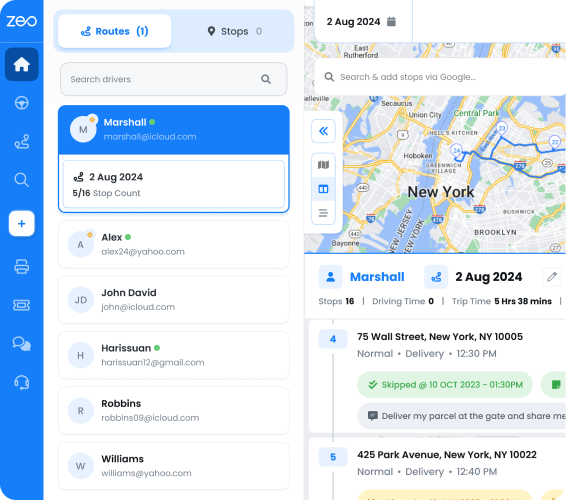
Safety-focused driver management includes implementing clear protocols for vehicle inspections, establishing communication procedures for emergency situations, and creating accountability systems that reward safe driving behaviors while addressing risky practices promptly.
Technology Solutions for Modern Driver Management
Today’s driver management extends beyond basic tracking to include sophisticated technology solutions that address multiple operational challenges. Mobile applications enable two-way communication between drivers and dispatchers, allowing for instant updates about traffic conditions, delivery issues, or route changes. This real-time connectivity ensures that both drivers and management stay informed throughout the delivery process.
Advanced driver management platforms also incorporate predictive analytics to anticipate potential problems before they occur. By analyzing historical data patterns, weather conditions, and traffic trends, these systems can suggest optimal departure times and route modifications that prevent delays. Integration capabilities with existing business systems ensure that driver management works seamlessly with inventory management, customer service, and billing processes.
How Zeo Driver Management Software is Helpful
The following are some benefits of Zeo’s Driver Management software that improve driver performance and fleet efficiency:
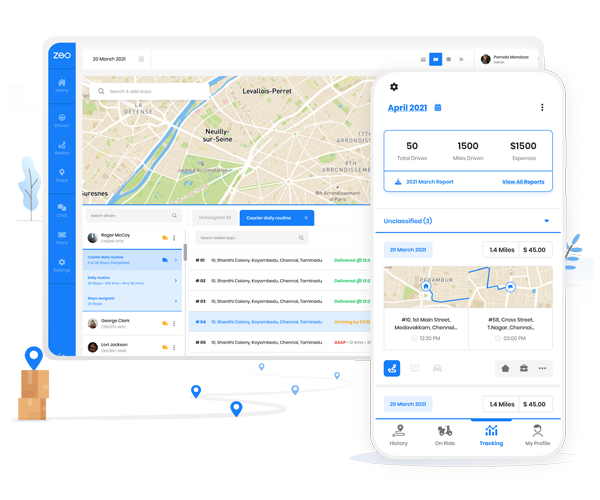
- Real-time Driver Tracking: Zeo enables fleet managers to monitor drivers’ positions in real-time, improving control over delivery routes and allowing faster response times to any challenges.
- Driver Performance Monitoring: Zeo offers comprehensive reports on driver performance metrics, helping managers identify areas for improvement and implement appropriate training programs.
- Improved Safety: The system enhances safety by tracking driver behavior, reducing accidents by identifying unsafe driving habits, and providing vehicle maintenance information to prompt timely servicing.
- Driver Communications: Zeo enhances communication between drivers and fleet managers, facilitating swift updates and improved coordination for route changes or delays. The system also supports the addition of all fleet vehicles and allows direct communication between drivers and management.
The Zeo Driver Management System streamlines fleet operations by streamlining processes, improving safety, and increasing productivity. It automatically assigns stops to drivers based on location and shift timings, eliminating the need for manual allocation.
Conclusion
Driver Management Software enhances business efficiency, reduces operational costs, and improves driver performance, resulting in a more productive and safe fleet operation. Zeo Driver Management Software optimizes team routes based on skill and matches tasks with team members’ expertise. It also assigns stores to drivers for uniform departure points, streamlining delivery operations and maximizing road productivity.
Frequently Asked Questions
How do you improve driver accountability in fleet operations?
Improving driver accountability requires implementing clear performance metrics and regular feedback systems. Establish specific KPIs such as on-time delivery rates, customer satisfaction scores, and safety incident tracking. Regular performance reviews combined with recognition programs for top performers create a culture of accountability that motivates drivers to maintain high standards.
What are the most important safety metrics to track for delivery drivers?
Key safety metrics include accident frequency rates, vehicle inspection compliance, hours of service violations, and speeding incidents. The Federal Motor Carrier Safety Administration recommends tracking these metrics monthly to identify trends and implement preventive measures. Additionally, monitoring harsh braking events and rapid acceleration can help identify drivers who need additional safety training.
How can small delivery businesses compete with larger companies?
Small delivery businesses can compete by focusing on personalized customer service and operational efficiency. Technology solutions like route optimization software level the playing field by enabling small fleets to achieve similar efficiency gains as larger operations. Zeo Route Planner’s auto-assignment of stops to drivers helps small businesses operate with the same precision as larger competitors while saving 2+ hours daily.
What’s the average cost savings from implementing driver management software?
Businesses typically see 15-25% reduction in fuel costs and 20-30% improvement in delivery efficiency after implementing driver management systems. These savings come from optimized routes, reduced idle time, and better vehicle utilization. The return on investment usually occurs within 3-6 months of implementation for most delivery operations.
How do you handle driver resistance to new tracking technology?
Address driver concerns by clearly communicating the benefits of tracking technology for their safety and job security. Emphasize how GPS tracking helps with emergency response, route optimization that reduces their workload, and protection against false customer complaints. Involve drivers in the implementation process and provide thorough training to ensure they feel supported rather than monitored.
Need more information? Schedule a free demo with us!
Are you a fleet owner?
Want to manage your drivers and deliveries easily?
Grow your business effortlessly with Zeo Routes Planner – optimize routes and manage multiple drivers with ease.
increase fuel savings
Hassle Free Deliveries & Pickups!
Optimize routes with our algorithm, reducing travel time and costs efficiently.
Get Started for Free