

Updated on: June 8, 2026
Reading Time: 4 minutes
TL;DR: Consignment businesses streamline operations through effective delivery route planning that coordinates multi-location inventory transfers, optimizes supplier pickups, and ensures timely customer deliveries. Poor route planning costs consignment businesses an average of 2-4 hours daily in inefficient driving and coordination tasks. Route optimization tools like Zeo Route Planner address this with AI-powered route optimization and real-time GPS tracking, helping consignment teams save 2+ hours daily.
The consignment business landscape is undergoing a profound transformation, driven by shifting consumer demands and advancements in technology. Today, consignment businesses face unprecedented challenges in managing inventory, fulfilling orders, and meeting customer expectations. As consumer preferences continue to evolve towards online shopping and same-day delivery, there is a dire need for streamlining consignment businesses must embrace innovative solutions to remain competitive in the market.
Understanding the Consignment Business
In today’s retail landscape, the consignment model has become increasingly popular, reflecting the growing demand for sustainable and budget-friendly shopping options. In the consignment business model, suppliers entrust goods to retailers for sale, only receiving payment when the items are sold.
So, what exactly is consignment? It’s a commerce method where a reseller, termed as the consignee, pays the supplier (consignor) once their products are sold. Essentially, the supplier provides goods to the reseller without an upfront transaction. Subsequently, the reseller showcases these products in their store, while the supplier retains ownership until the items are sold. Upon sale, the reseller compensates the supplier for the sold items and returns any unsold inventory.
The consignment industry has experienced significant growth, with the global consignment retail market expanding as consumers increasingly prioritize sustainable shopping alternatives. This growth brings unique logistical challenges that traditional retail models don’t face, particularly in coordinating pickups from multiple consignors and managing returns of unsold merchandise.
Challenges in Streamlining Consignment Businesses
Navigating the complexities of the consignment industry requires overcoming several obstacles. From inventory management to customer satisfaction, streamlining consignment businesses face unique challenges that impact their growth and success.
- Inventory Management Complexity:
Consignment delivery planning often deal with a wide array of products from various suppliers, leading to complex inventory management. Without efficient tracking and organization systems, businesses may struggle to maintain accurate inventory records, resulting in overstocking, stockouts, or discrepancies. If you fail to understand the dos and don’ts of inventory management, it can lead to operational inefficiencies, increased storage costs, and missed sales opportunities. The complexity increases when managing consigned items across multiple locations, as each piece must be tracked individually with ownership details, pricing agreements, and settlement terms. - Timely Product Delivery:
Consignment businesses rely on timely product deliveries from suppliers to replenish their inventory and meet customer demand. Delays or inconsistencies in product deliveries can disrupt business operations, leading to stock shortages and dissatisfied customers. Without effective delivery route planning software, businesses may face challenges in coordinating and optimizing supplier deliveries, resulting in missed sales opportunities and reduced customer satisfaction. The challenge becomes more complex when coordinating scheduled pickups from individual consignors who may have limited availability windows. - Transportation Logistics:
Transportation management poses significant challenges for streamlining consignment businesses, especially those operating multiple store locations or serving diverse customer bases. Coordinating deliveries, managing vehicle fleets, and optimizing delivery routes are crucial for ensuring timely and cost-effective product distribution. Without streamlined transportation logistics processes, businesses may face issues such as delivery delays, inefficient route planning, and high transportation costs. According to the Bureau of Transportation Statistics, inefficient routing can increase transportation costs by 15-25% annually. - Customer Satisfaction and Retention:
Effective and thought-through consignment delivery planning is essential for customer satisfaction and loyalty. This helps in driving repeat business and fostering long-term relationships. However, challenges such as product availability, delivery delays, and inventory discrepancies can negatively impact the customer experience. Unsatisfied customers may choose to shop elsewhere or leave negative reviews, damaging the business’s reputation and credibility. In the consignment model, customer satisfaction also extends to consignors who expect timely pickups and accurate settlement reporting. - Cost Management and Profitability:
Cost management is a critical concern for streamlining consignment businesses, as maintaining profitability relies on minimizing overhead expenses and maximizing revenue streams. Inefficient inventory management, suboptimal transportation logistics, and poor delivery planning can all contribute to increased operating costs and reduced profit margins. Consignment businesses face the additional challenge of managing costs while sharing revenue with consignors, making efficiency improvements even more crucial for maintaining healthy profit margins.
Multi-Location Coordination Challenges
Consignment businesses operating across multiple locations face unique coordination challenges that traditional retailers don’t encounter. Each location may receive inventory from different consignors, operate under varying pricing structures, and maintain separate settlement schedules. This complexity requires sophisticated planning systems to ensure efficient transfers between locations, minimize transportation costs, and maintain accurate tracking of consigned items throughout the network.
The challenge extends to managing returns and unsold inventory, which must be efficiently routed back to consignors or transferred to other locations where demand might be higher. Without proper route planning, these reverse logistics operations can become costly and time-consuming, eating into already thin profit margins.
Delivery Route Planning Software for Streamlining Consignment Businesses
Consignment delivery planning face various challenges in optimizing their operations, from inventory management complexities to transportation logistics. Here’s how delivery route planning software features can address these challenges and help in streamlining consignment businesses:
Optimize routes with our algorithm, reducing travel time and costs efficiently.
increase fuel savings
Save 2 Hours on Deliveries, Everyday!
- Advanced Route Optimization:
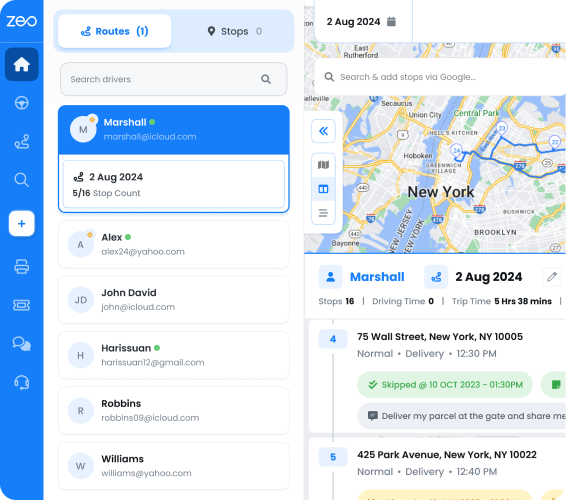
Efficient inventory management is critical for consignment delivery planning to track stock levels accurately across multiple locations. Delivery route planning software like Zeo offers advanced routing capabilities that help coordinate complex multi-stop routes involving pickups from consignors and deliveries to various store locations. The software’s capacity-based routing ensures vehicles are optimally loaded while time window constraints accommodate consignors’ availability schedules. - Dynamic Route Optimization:
Consignment businesses need to ensure timely product deliveries to maintain customer satisfaction and loyalty. Dynamic route optimization features in delivery route planning software enable businesses to adjust delivery routes in real-time based on changing conditions such as traffic congestion, last-minute pickups, or customer requests. By dynamically optimizing routes, businesses can minimize delivery delays and maintain consistent service levels, enhancing customer satisfaction and retention. - Vehicle Tracking and Dispatch:
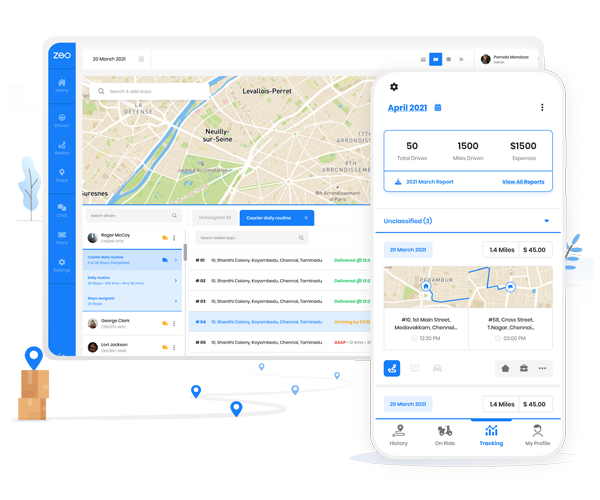
Transportation logistics play a crucial role in consignment delivery planning, requiring efficient vehicle tracking and dispatching processes. Delivery route planning software offers vehicle tracking and dispatch features, allowing businesses to monitor vehicle locations in real-time and optimize route schedules accordingly. By tracking vehicles and dispatching them efficiently, route planning software enables businesses to reduce transportation costs and improve fleet efficiency while enhancing overall transportation logistics and profitability. - Customer Communication Tools:
Consignment businesses need effective communication tools to keep both customers and consignors informed about delivery and pickup status. Delivery route planning software provides customer communication tools such as real-time tracking and delivery notifications. This enables businesses to provide customers with accurate delivery ETAs and proactive updates while keeping consignors informed about scheduled pickups. By enhancing communication with all stakeholders, businesses can improve the overall experience, build trust, and encourage continued partnerships. - Cost Analysis and Optimization:
Managing costs effectively is essential for consignment delivery planning to maximize profitability and sustainability. Delivery route planning software offers cost analysis and optimization tools, allowing businesses to analyze fuel consumption, transportation costs, and other expenses associated with delivery operations. By identifying cost-saving opportunities and optimizing delivery routes, businesses can reduce operating expenses and increase profit margins, improving overall cost management and profitability.
Frequently Asked Questions
How do consignment businesses coordinate pickups from multiple suppliers efficiently?
Successful consignment businesses use route planning systems to group nearby consignor pickups into efficient routes, minimizing travel time and fuel costs. They establish regular pickup schedules and communicate availability windows clearly to optimize coordination.
What are the typical transportation costs for consignment operations?
Transportation typically represents 8-15% of total operating costs for consignment businesses, depending on the geographic spread of consignors and retail locations. Efficient route planning can reduce these costs significantly by eliminating redundant trips and optimizing vehicle capacity utilization.
How can consignment stores reduce delivery delays and missed pickups?
Real-time tracking and automated scheduling systems help minimize delays and missed appointments. Zeo Route Planner’s live GPS tracking and customer notifications ensure all parties stay informed about pickup and delivery times, reducing coordination failures that cause delays.
What’s the biggest operational challenge for multi-location consignment businesses?
Inventory transfer coordination between locations while maintaining accurate ownership tracking poses the greatest challenge. This requires sophisticated systems to manage which items belong to which consignors across different store locations.
How do successful consignment businesses handle returns and unsold inventory?
The most efficient operations use scheduled return routes that combine multiple consignor returns into optimized trips. Route planning software with auto-assignment capabilities can automatically group returns by geographic area and schedule them during regular pickup routes to maximize efficiency.
Conclusion – Why Choose Zeo?
Zeo stands out as the optimal choice, offering a comprehensive suite of features tailored to streamline consignment operations and drive business growth. With Zeo, businesses can optimize delivery routes in real-time, enhance customer communication, and analyze costs for maximum profitability. Unlock the potential of your consignment business with Zeo today!
Schedule a demo to experience the power of efficient delivery route planning firsthand and take your business to new heights of success!
Are you a fleet owner?
Want to manage your drivers and deliveries easily?
Grow your business effortlessly with Zeo Routes Planner – optimize routes and manage multiple drivers with ease.

increase fuel savings
Save $200 on fuel, Monthly!
Optimize routes with our algorithm, reducing travel time and costs efficiently.
Get Started for Free