


Updated on: May 23, 2026
Reading Time: 3 minutes
TL;DR: Start a box trucking business by registering your company, securing proper licenses and insurance, acquiring a suitable vehicle, and building a customer base through load platforms and local partnerships. As of 2026, successful operators earn $8,000-$12,000 monthly after expenses, with high-performers reaching $15,000-$20,000. Route optimization tools like Zeo Route Planner address operational efficiency with AI-powered route optimization, helping box trucking teams save 2+ hours daily.
A business mind will always find opportunities where others find challenges. As the logistics industry is growing leaps and bounds, new challenges are arising, giving birth to new needs and opportunities.
If you have a knack for running a business and happen to have a box truck or are willing to invest in one, you are looking at a great growth pathway in the logistics industry. A box trucking business presents plenty of opportunities to grow and succeed, given you have the right plan, strategy, tools, and of course, the will to put in the hard yards.
Box Trucking Business – The Definition
A box trucking business involves transporting goods using medium-sized trucks that have an enclosed cargo area. These trucks are used for moving furniture, appliances, bulk e-commerce orders, retail stock, and other local freight. Because they are smaller than long-haul trucks but larger than delivery vans, box trucks strike the right balance between flexibility and cargo capacity. As a result, they are widely used for last-mile deliveries and short-distance logistics. If your goal is to run a local or regional trucking business without needing a commercial tractor-trailer, this model is a great starting point.
How to Start a Box Trucking Business
Starting a box trucking business can seem daunting. But with the right plan and guidance, you can set up your business and hit the ground running soon. Here is a simple breakdown of the steps you need to follow:
1. Choose a Business Structure and Register Your Company
Decide whether you want to operate as a sole proprietor, partnership, or private limited company. Register your business and get the regional transport permits required in your area. This ensures you can take on clients legally and gives you access to fuel and toll reimbursements if applicable.
2. Get Licenses, Permits, and Insurance
Based on your state and type of operation, you may need a commercial vehicle registration, road permits, and transport licenses. According to the Federal Motor Carrier Safety Administration, proper licensing is essential for legal operation. Commercial vehicle insurance is non-negotiable. Consider covering the vehicle, the cargo, and any liability that may arise from road incidents. It builds trust with clients and protects your business in case of an accident.
3. Buy or Lease a Box Truck
Choose your vehicle based on the type of goods you plan to carry. A 16 to 26-foot truck works well for most general delivery operations. If you are buying used, ensure it has good mileage and is compliant with current emission standards. Load capacity, fuel efficiency, and maintenance history are all key factors to consider.
4. Understand the Importance of Route Planning
In the trucking business, how you plan your deliveries directly impacts your profitability. Route planning helps you avoid delays, reduce fuel costs, and complete more deliveries in less time. A smart route planning strategy is what separates successful operators from those constantly struggling with delays and high expenses. It keeps your operations smooth, reduces stress, and helps you deliver consistently. Modern furniture delivery scheduling solutions demonstrate how proper route optimization can transform operational efficiency for box truck businesses handling bulky goods.
5. Find Loads and Build a Customer Base
You can find loads through platforms like Shiply, Porter, Trukky, or by partnering with local businesses. Some logistics aggregators also allow individual operators to register as partners. Start building relationships with warehouses, Manu factures, furniture stores, and moving services. Word-of-mouth and online visibility will help you get recurring work.
6. Set Up Daily Operations and Pricing Strategy
Plan how you will handle inquiries, dispatches, and deliveries. Decide whether bookings will happen over calls, apps, or a website. Pricing should cover fixed costs like vehicle EMI, insurance, and driver wages, along with variable costs like fuel and tolls. Keep your pricing competitive but clear. Clients appreciate transparency.
Managing Multi-Stop Deliveries Efficiently
Box trucking businesses often handle multiple deliveries per route, making efficient stop sequencing crucial for profitability. Poor route planning can lead to backtracking, increased fuel consumption, and missed delivery windows. Successful operators understand that optimizing two-person delivery routes requires considering factors like delivery time windows, vehicle capacity constraints, and driver skills.
Time window management becomes especially critical when delivering to commercial locations with specific receiving hours or residential customers who require scheduled appointments. Implementing systematic route optimization helps ensure deliveries arrive within promised timeframes while minimizing total drive time and fuel costs.
How Much Does It Cost to Start a Box Truck Business?
Startup costs vary, but here are some reliable estimates as of 2026:
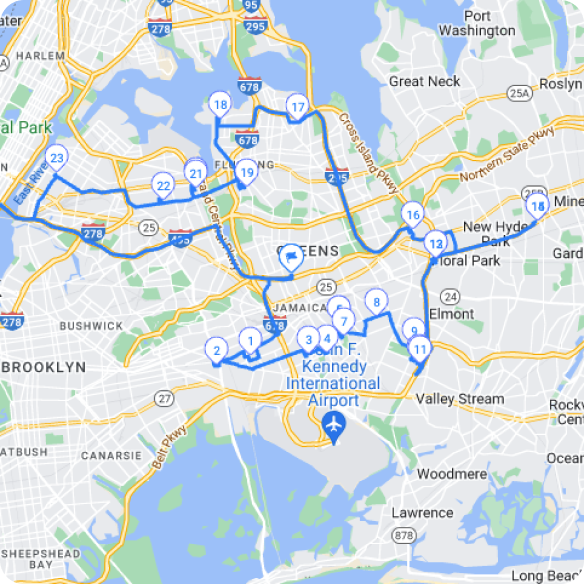
Optimize routes with our algorithm, reducing travel time and costs efficiently.
increase fuel savings
Hassle Free Deliveries & Pickups!
- Truck purchase or lease: $10,000 to $150,000.
- Licenses and permits: $500 to $2,000.
- Insurance: $5,000 to $10,000 per year.
- Fuel and maintenance: $500 to $1,500 monthly.
- Marketing and equipment: $500 to $2,000.
- In total, you can expect startup costs to range from $27,000 to $57,000, or even higher for larger vehicles or upscale operations.
How Profitable Is Owning a Box Truck?
Profit potential depends on load volume, cost control, and route efficiency. According to industry averages as of 2026:
- Typical monthly revenue: $5,000 to $15,000.
- Average owner-operator income: $8,000 to $12,000 per month after expenses.
- High-performing operators: $15,000 to $20,000 per month.
- Strong route planning helps drive those earnings higher. With more deliveries per shift and less idle time, owners can earn significantly more over time.
The Bureau of Labor Statistics reports steady growth in demand for commercial truck drivers, indicating a stable market for box trucking services.
What Is Needed to Start a Box Truck Business?
Here’s a simple checklist:
- A registered business entity
- A reliable box truck
- Commercial vehicle insurance
- Necessary permits and licenses
- Route planning tools or apps
- Client or load partnerships
- Fuel and maintenance budget
Building Long-Term Success Through Customer Relationships
Beyond the initial setup, sustainable box trucking businesses focus on building repeat customer relationships. Providing consistent, reliable service leads to recurring contracts and steady revenue streams. Many successful operators develop partnerships with furniture retailers, appliance stores, and e-commerce fulfillment centers that need regular delivery services.
Maintaining high service standards through punctual deliveries, careful handling of goods, and professional communication helps establish a reputation that generates referrals and repeat business. This relationship-based approach often proves more profitable than constantly seeking new loads through freight platforms.
Frequently Asked Questions
What type of commercial license do I need for a box truck business?
For box trucks weighing 26,001 pounds or more, you’ll need a Commercial Driver’s License (CDL). Trucks under 26,000 pounds typically require only a regular driver’s license, though some states may require additional endorsements or permits for commercial operation.
How do I find consistent loads for my box truck?
Start by registering with load boards like DAT, Truckstop.com, and freight brokers in your area. Build relationships with local furniture stores, appliance retailers, and moving companies who need regular delivery services. Many operators find recurring contracts more profitable than one-off loads.
What’s the most efficient way to plan multiple delivery stops?
Route optimization involves considering delivery time windows, traffic patterns, and vehicle capacity constraints to minimize drive time and fuel costs. Advanced route planning tools like Zeo Route Planner use AI-powered route optimization to automatically sequence stops, helping operators complete more deliveries while reducing daily drive time.
Should I buy or lease a box truck for my new business?
Leasing requires less upfront capital and includes maintenance coverage, making it attractive for new operators. Buying offers long-term cost savings and asset ownership but requires more initial investment. Consider your available capital, credit situation, and business goals when deciding.
How much can I realistically earn in my first year?
First-year earnings typically range from $40,000 to $80,000 after expenses, depending on your market, efficiency, and customer base development. Operators who focus on route optimization and building recurring customer relationships often reach the higher end of this range faster than those relying solely on spot loads.
Conclusion
Starting your own box trucking business is one of the most practical ways to step into logistics. It offers flexibility, steady demand, and the potential for strong earnings. The key to success lies in staying reliable, planning your routes smartly, and managing your costs.
Tools like Zeo Route Planner are designed to help you simplify route planning so you can make more deliveries, reduce downtime, and boost profits. When your time and fuel are well-managed, your business runs better. If you’re ready to take control of your future, this is a smart road to start on.
Are you a fleet owner?
Want to manage your drivers and deliveries easily?
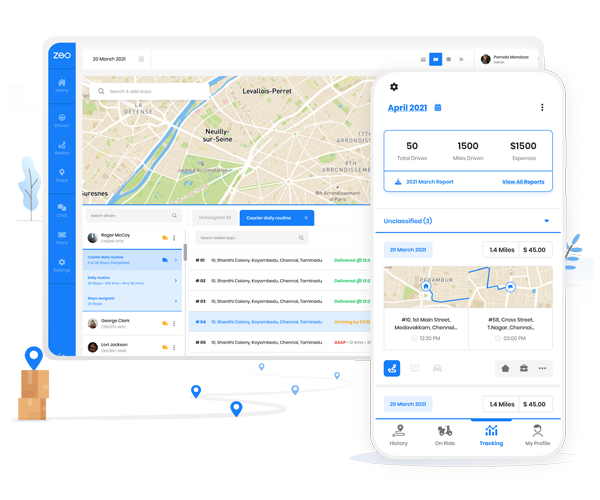
Grow your business effortlessly with Zeo Routes Planner – optimize routes and manage multiple drivers with ease.
increase fuel savings
Hassle Free Deliveries & Pickups!
Optimize routes with our algorithm, reducing travel time and costs efficiently.
Get Started for Free