

Updated on: June 9, 2026
Reading Time: 3 minutes
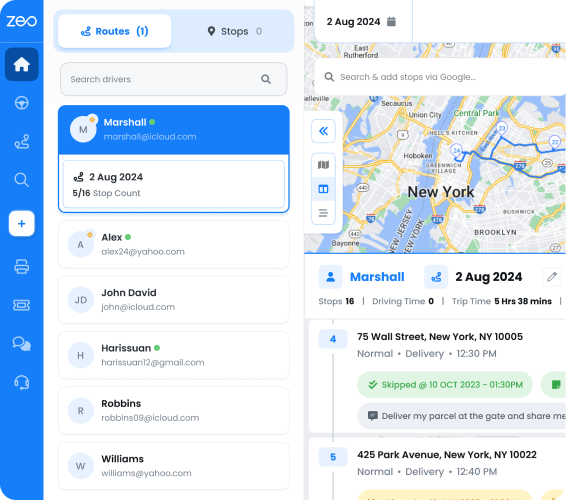
TL;DR: Route optimization transforms industries by reducing operational costs, improving delivery times, and enhancing customer satisfaction through intelligent route planning and resource allocation. Companies using advanced route optimization techniques report saving 2+ hours daily while reducing fuel consumption by up to 30%. Route optimization tools like Zeo Route Planner address this with AI-powered route optimization and real-time GPS tracking, helping logistics and service teams streamline operations across multiple industries.
In today’s fast-paced business landscape, route optimization has emerged as a critical tool for companies striving to enhance their operational efficiency and sustainability. Advanced and effective route optimization techniques can transform various industries by improving efficiency, reducing costs, and enhancing customer satisfaction. In this blog post let’s explore the key industries and how they benefit from route optimization.
What is Route Optimization?
Route optimization is improving routes to achieve greater efficiency and cost-effectiveness. Route planning focuses on minimizing the total driving time when making any number of stops, factoring in variables such as delivery time windows, vehicle load capacity, driver schedule, driver proximity and hub location, traffic congestion, etc.
With route optimization techniques, you can calculate the best routes in seconds and maximize the number of deliveries. Thus, it can ultimately generate the most revenue for your business.
Benefits of Route Optimization
- Reduced fuel consumption: Optimized routes help reduce fuel consumption by calculating the most efficient and effective routes for vehicles. This results in reduced fuel costs as well as carbon emissions and is more sustainable.
- Lower operational costs: Route optimization has a direct effect on operating costs, it can lower costs related to fuel, maintenance, and vehicle wear and tear by optimizing routes to minimize mileage. Effective route planning also ensures that drivers and vehicles are used to their fullest potential.
- Enhanced customer satisfaction: Route optimization ensures on-time delivery of products while reducing delays. By using optimized routes, you can provide reliable, consistent service and increase customer satisfaction.
- Enhanced resource utilization: To maximize operational efficiency, resource allocation must be done effectively. By optimizing their routes you can maximize the use of your resources, including your drivers and vehicles.
- Real-time adaptability: Effective route optimization solutions provide real-time updates and rerouting capabilities to give your business the ability to adapt to changing conditions. Factors like accidents, traffic congestion, etc can greatly impact transportation operations.
- Data-driven insights: Route optimization software gives businesses valuable data and analyses on performance metrics. These data-driven insights allow businesses to identify areas for further development and optimize business operations.
Key Technologies Driving Route Optimization Success
Modern route optimization relies on several advanced technologies that work together to deliver superior results. Artificial intelligence and machine learning algorithms analyze historical data patterns to predict optimal routes based on factors like traffic trends, weather conditions, and delivery patterns. According to the Bureau of Transportation Statistics, transportation costs represent 6-12% of total business operating expenses for most companies, making optimization technologies crucial for competitiveness.
GPS tracking and real-time monitoring systems provide live visibility into vehicle locations and performance metrics. This enables dispatchers to make dynamic adjustments when unexpected delays or opportunities arise. Integration capabilities allow route optimization software to connect with existing business systems, creating seamless workflows that eliminate manual data entry and reduce errors.
The Transforming Industries with Effective Route Optimization Techniques
- Logistics and Transportation
Logistics and transportation companies benefit extremely from optimized routes, leading to more streamlined fleet operations and reduced operational costs. Route planning adjusts routes in real-time based on traffic and delivery priorities, it also plans multi-stop optimization by efficient order of stops to minimize travel time and distance. The logistics sector faces increasing pressure to meet same-day and next-day delivery expectations while managing rising fuel costs and driver shortages.
Advanced route optimization helps logistics companies address these challenges through capacity-based routing that considers vehicle weight and volume limits, ensuring maximum payload efficiency. Time window constraints ensure deliveries arrive when customers expect them, while automated stop assignment reduces the manual workload on dispatchers.
- Field Service Management
Field service management companies get most of the advantages for their technicians who can complete more service calls per day with optimized routes. By route planning, they can have less time on the road which means more time available for actual service work. Field service businesses also use key route optimization techniques such as real-time dispatching, territory optimization, appointment scheduling, etc.
Service companies often deal with emergency calls and last-minute schedule changes that require dynamic route adjustments. Skill-based assignment ensures the right technician with the proper expertise is dispatched to each job, improving first-time fix rates and customer satisfaction.
- Waste Management
Optimizing routes in the waste management industry improves the efficiency and effectiveness of waste collection and disposal. It ensures waste is collected in a timely and efficient manner, Reduces fuel and labor costs, and lowers carbon emissions by reducing travel distances.
The waste management industry adopts some route optimization techniques such as real-time adjustments, and route balancing, and uses geofencing to manage collection areas. The EPA reports that transportation accounts for 29% of greenhouse gas emissions, making route optimization essential for environmental sustainability goals.
Read More: Eco-friendly waste collection practices: A comprehensive guide
- Healthcare and Home Care Services
Route planning in the healthcare industry is crucial for improving efficiency, reliability, and cost-effectiveness. It ensures delivering medical supplies, home healthcare services, and patient transport. It also minimizes transportation costs for medical deliveries and Improves the reliability of delivery services for sensitive medical items.
Healthcare organizations require specialized routing considerations including priority stops for urgent medical deliveries and time-sensitive appointments. Proof of delivery with photo capture and digital signatures helps healthcare providers maintain compliance documentation required by regulatory agencies.
Read More:
Choosing The Right Route Planner Software For Healthcare Fleet Management

increase fuel savings
Hassle Free Deliveries & Pickups!
Optimize routes with our algorithm, reducing travel time and costs efficiently.
Get Started for Free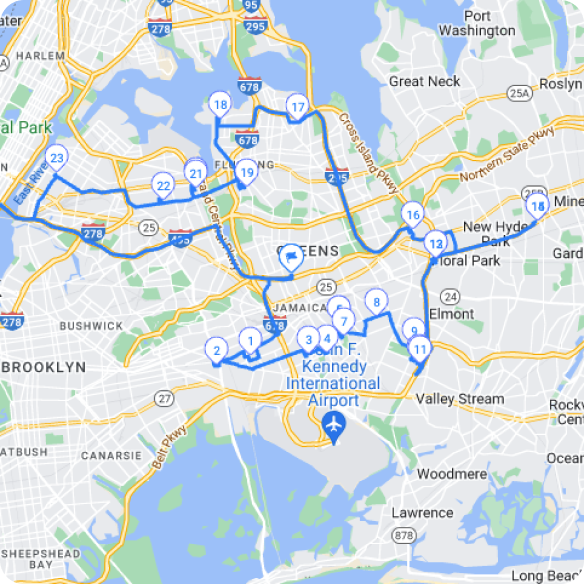
Eco-Friendly Healthcare Fleet Management: Issues, Tips, Route Planning
- Retail and E-Commerce
Route Optimization in the retail and e-commerce sectors is vital for enhancing delivery efficiency, reducing costs, and improving customer satisfaction. It has emerged as a critical tool for retail and e-commerce companies striving to enhance their operational efficiency and sustainability. With all the key route optimization techniques, the retail and e-commerce industry transforms its delivery operations and achieves operational excellence.
E-commerce businesses benefit from integration capabilities that automatically import orders from platforms like Shopify and WooCommerce, eliminating manual data entry. Customer notification systems with live tracking links reduce support inquiries by keeping customers informed about their delivery status.
Measuring Route Optimization Success
Successful route optimization implementation requires tracking key performance indicators that demonstrate tangible business value. Essential metrics include total miles driven, fuel consumption, on-time delivery rates, and cost per delivery. Bureau of Labor Statistics data shows that fuel costs can represent 15-30% of total fleet operating expenses, making fuel efficiency a critical optimization target.
Customer satisfaction metrics such as delivery time accuracy and service quality scores provide insight into the customer experience impact of route optimization. Driver productivity measures including stops per day and service time per customer help identify opportunities for further efficiency improvements. Analytics and reporting capabilities enable continuous refinement of routing strategies based on performance data.
Frequently Asked Questions
How much can route optimization reduce fuel costs?
Route optimization typically reduces fuel consumption by 20-30% through shorter distances, fewer stops, and more efficient vehicle utilization. Companies also see reduced vehicle wear and tear, which lowers maintenance costs and extends fleet lifespan.
What factors should businesses consider when choosing route optimization software?
Key factors include integration capabilities with existing systems, real-time tracking and communication features, scalability for business growth, and industry-specific functionality like capacity constraints or service time windows. The software should also provide robust analytics and reporting for performance monitoring.
Can route optimization help with last-minute schedule changes?
Yes, modern route optimization solutions provide dynamic route adjustments that accommodate emergency calls, cancellations, and new orders throughout the day. Zeo Route Planner’s real-time GPS tracking and in-app chat features enable dispatchers to communicate changes instantly, helping teams save 2+ hours daily on route management.
How does route optimization improve customer satisfaction?
Route optimization enhances customer satisfaction through more accurate delivery windows, reduced wait times, and improved communication. Live ETA updates and customer notifications keep clients informed, while optimized routing ensures technicians and delivery drivers arrive on schedule.
What industries benefit most from route optimization?
Industries with multiple daily stops see the greatest impact, including logistics and delivery, field service management, healthcare and home care, waste management, and retail/e-commerce. Any business that dispatches vehicles or personnel to multiple locations can achieve significant efficiency gains and cost savings.
Final Thought
Effective route optimization techniques can transform various industries by enhancing efficiency, reducing costs, and improving customer satisfaction. Implementing advanced technologies such as predictive analytics, dynamic routing, and real-time data integration allows businesses to stay competitive.
By embracing these techniques of route optimization software like Zeo Route Planner. With Zeo’s fleet management and mobile route planner industries can achieve significant operational improvements and deliver better services to their customers.
For more, schedule a quick demo with us!
Are you a fleet owner?
Want to manage your drivers and deliveries easily?
Grow your business effortlessly with Zeo Routes Planner – optimize routes and manage multiple drivers with ease.

increase fuel savings
Save $200 on fuel, Monthly!
Optimize routes with our algorithm, reducing travel time and costs efficiently.
Get Started for Free