

Updated on: August 1, 2025
Reading Time: 3 minutes
TL;DR: Starting a successful towing business requires market research, proper licensing, quality equipment, insurance coverage, and efficient operational systems. The key differentiator is delivering fast, reliable service when customers are stranded and stressed. Route optimization tools like Zeo Route Planner address this with real-time GPS tracking and automated customer updates, helping towing teams save 2+ hours daily.
A true businessman is aware of every growth opportunity. With the increasing number of vehicles on the road, failures are bound to happen. More often than not, customers are stranded in the middle of a road with a failed engine or other faults in their vehicle. This is where a towing business owner can really cash in to solve the problem and offer prompt service.
But how do you get started setting up your towing business, and more importantly, how do you ensure efficient service and a great customer experience?
Let’s find out.
A Step-by-Step Guide to Set Up Your Towing Business
Don’t mistake the towing business for being simply about owning a truck and reaching the customer location. You need to earn customer trust as a reliable service provider and lay a strong foundation for your business.
-
Conduct Market Research
Before you dive into the pool, it’s better to gauge the depth. Similarly, before setting up any business, it’s advisable to understand your market – the customers, competitors, gaps, opportunities, and potential challenges.
How is the market?
How many competitors operate in the area?
What kind of services do they offer?
Are they serving only commercial vehicles or individual drivers as well?
How can you differentiate your brand and services to stand out?According to the Bureau of Labor Statistics, the automotive service industry continues to show steady growth as vehicle ownership increases nationwide. Understanding your local market dynamics helps position your towing service for maximum profitability.
-
Register Your Business and Get the Right Licenses
Every towing business must be legally registered. Choose a business structure that fits your goals – sole proprietorship, partnership, or LLC. Then, apply for the necessary state and local licenses. You may also need a motor carrier permit, commercial driver’s license (CDL), and towing certifications depending on your region. These legal steps protect you and your clients.
The Federal Motor Carrier Safety Administration provides detailed guidance on obtaining the proper DOT numbers and permits required for commercial towing operations across state lines.
-
Purchase the Right Tow Trucks and Equipment
You’ll need at least one reliable tow truck to get started. Flatbeds are great for damage-free transport, while wheel-lift trucks are cost-effective for quick roadside assistance. Don’t forget essentials like chains, straps, safety lights, and communication devices. Investing in the right equipment upfront saves you from breakdowns and bad reviews later.
Consider starting with a versatile medium-duty truck that can handle both light passenger vehicles and small commercial vehicles. This gives you flexibility while building your customer base and cash flow.
-
Get Insurance Coverage
Towing is a high-risk business. Accidents, damage claims, and on-road liability can cost a fortune without proper insurance. Make sure you’re covered with general liability, on-hook towing coverage, garage keepers insurance, and workers’ compensation if you plan to hire drivers. A good policy gives peace of mind and protects your business reputation.
-
Build a Strong Brand and Online Presence
People call towing services when they’re stressed. You want your name to show up first, and to feel trustworthy. Start with a professional logo, a website that clearly shows your services and service areas, and active listings on Google and social platforms. Word-of-mouth is powerful in this industry, but online visibility will bring you consistent leads.
Focus on local SEO optimization since most towing calls come from nearby customers. Ensure your Google Business Profile is complete with accurate hours, service areas, and customer reviews.
-
Set Up Operations and Pricing
Decide how you’ll take bookings – phone, web, or both. Will you offer instant dispatch or scheduled service? Then, build a pricing model that factors in fuel, labor, distance, and after-hours work. Keep it transparent. Customers appreciate knowing what to expect, and it builds trust from the first call.
-
Choose the Right Route Optimization Tool
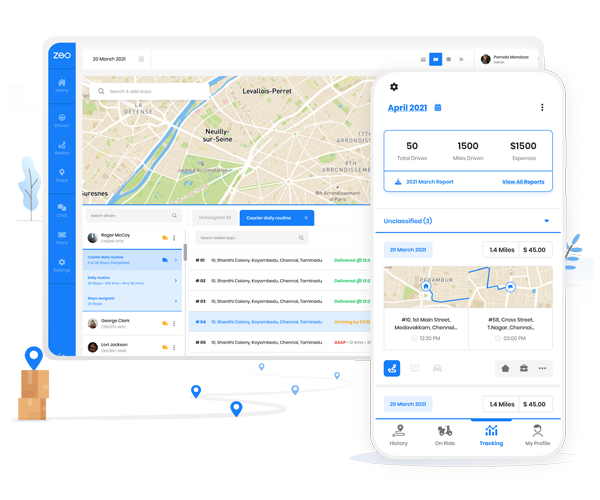
Once your business is set up and running, your focus must move to efficiency, reliability, and accuracy of your services. Remember, a happy customer is the best way to ensure business growth. You will need smart route optimization tools that simplify route planning, customer communication, and help you with insights needed to close performance gaps. Tools like Zeo Route Planner are built to help you overcome various challenges and ensure efficiency, growth, and customer satisfaction.
Efficient routing becomes critical as your fleet grows beyond a single truck. Modern route planning technology helps towing businesses handle multiple calls simultaneously while maintaining fast response times.

increase fuel savings
Hassle Free Deliveries & Pickups!
Optimize routes with our algorithm, reducing travel time and costs efficiently.
Get Started for Free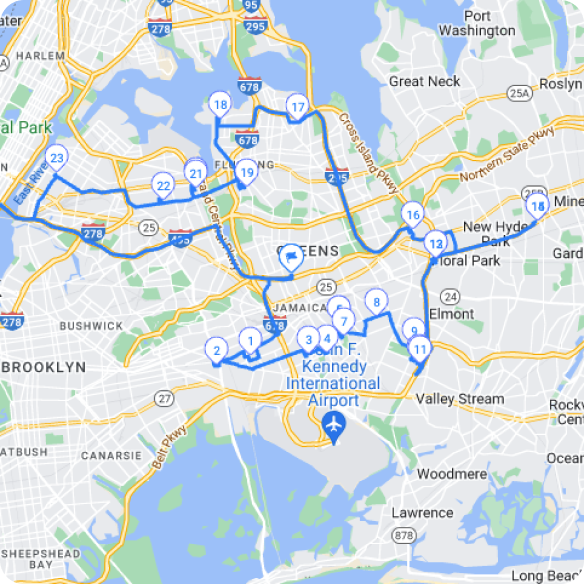
Building Customer Trust Through Reliable Operations
Trust is everything in the towing industry. When someone’s vehicle breaks down, they’re vulnerable and often frustrated. Your ability to provide clear communication, accurate arrival times, and professional service determines whether they’ll recommend you to others.
Establish standard operating procedures for every aspect of your service. Train drivers on customer interaction, proper vehicle handling, and safety protocols. Consistency builds reputation, and reputation drives sustainable growth in this business.
Consider partnering with local auto repair shops, insurance companies, and fleet managers. These relationships provide steady work beyond emergency roadside calls and help stabilize your revenue stream.
Managing Multiple Calls and Fleet Efficiency
As your towing business grows, juggling multiple service calls becomes increasingly complex. You need systems that help you dispatch the right truck to each job while keeping customers informed about arrival times.
Emergency calls require immediate attention, but you’ll also handle scheduled vehicle relocations and fleet maintenance transportation. Balancing these different service types while maximizing your trucks’ productivity requires strategic planning and the right operational tools.
Zeo: Your Partner in Towing Business Growth
Unlike most route planners available in the market, Zeo Route Planner is built to scale with your business effortlessly. Its flexible pricing plans give you the freedom to choose what works best for you. Moreover, this feature-rich platform helps you overcome various growth challenges effortlessly.
If you are serious about business growth, eliminating operational inefficiencies, optimizing cost and resource utilization, Zeo is your go-to tool.
Here’s how Zeo supports your success:
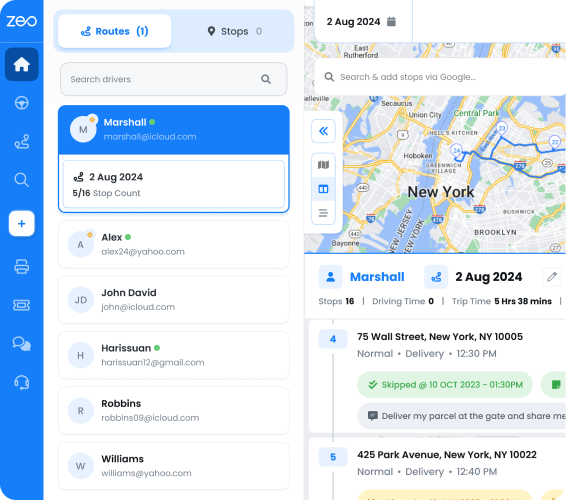
- Route Optimization: Plan the fastest and most efficient towing routes to save time and fuel.
- Live Route Tracking: Know exactly where your trucks are in real-time, every time.
- Automated Customer Updates: Keep your customers informed with timely alerts.
- Proof of Delivery: Record job completion with time-stamped photos and notes.
- Route Analytics: Track driver performance and route efficiency to improve operations.
- Driver Management: Assign tasks fairly and monitor job progress with ease.
Frequently Asked Questions
How much does it cost to start a towing business?
Starting a towing business typically requires $100,000 to $300,000 in initial investment, covering truck purchase, equipment, insurance, and licensing. A used tow truck costs $50,000-$150,000, while comprehensive insurance can run $10,000-$20,000 annually for a single-truck operation.
What licenses do I need to operate a towing business?
You’ll need a business license, DOT number for commercial operations, and often a specialized towing license from your state. Drivers require CDL licenses, and some states mandate towing certification programs. Check with your state’s Department of Transportation for specific requirements in your area.
How do I find customers for my new towing business?
Build relationships with local auto repair shops, insurance companies, and fleet managers for steady contract work. Maintain strong Google Business listings for emergency calls, and consider partnerships with roadside assistance programs. Word-of-mouth referrals drive significant business in this industry.
How can route optimization help my towing operations?
Route optimization reduces response times and fuel costs while handling multiple service calls efficiently. Zeo Route Planner’s real-time GPS tracking lets you dispatch the nearest available truck instantly, while automated customer notifications keep clients informed of exact arrival times.
What insurance coverage is essential for towing businesses?
Essential coverage includes general liability, on-hook coverage (protects vehicles being towed), garage keepers insurance, and commercial auto insurance. Workers’ compensation becomes mandatory when you hire employees. These policies protect against damage claims and liability issues common in towing operations.
Final Word
Starting any new business is an adventure filled with excitement, hard work, and uncertainty. You need the right strategy, knowledge, skills, and most importantly, the right tools to succeed. Today, when technology is dictating growth in every industry, the towing business is no exception.
Route optimization will play a huge role in how efficiently your operations run and how happy your customers are with your service.
Take the right step towards business success with the right tools. Start your journey in towing business with Zeo Route Planner.
Are you a fleet owner?
Want to manage your drivers and deliveries easily?
Grow your business effortlessly with Zeo Routes Planner – optimize routes and manage multiple drivers with ease.

increase fuel savings
Save $200 on fuel, Monthly!
Optimize routes with our algorithm, reducing travel time and costs efficiently.
Get Started for Free