

Updated on: June 10, 2026
Reading Time: 3 minutes
TL;DR: Strategic delivery planning tools boost e-commerce success by optimizing routes, reducing operational costs, and improving customer satisfaction through real-time tracking and communication. Businesses using advanced route optimization can save 2+ hours daily while delivering better customer experiences. Route optimization tools like Zeo Route Planner address this with AI-powered route optimization and live ETA updates, helping e-commerce teams save 2+ hours daily.
Efficient delivery planning is the backbone of any successful e-commerce venture. In today’s competitive market, where customers expect fast and reliable delivery services, strategic delivery planning tools play a crucial role in ensuring smooth operations and satisfied customers. By leveraging these tools, e-commerce businesses can optimize their delivery processes, minimize costs, and ultimately boost their success in the online marketplace.
While e-commerce success heavily rides on the back of efficient delivery planning, it comes with its set of challenges. From navigating complex last-mile delivery routes to meeting soaring customer expectations, e-commerce businesses often grapple with various obstacles that impact their growth. Effective delivery planning requires seamless coordination between inventory management and order fulfillment. Navigating through traffic congestion without efficient route optimization strategies prolongs delivery times and increases operational costs for e-commerce businesses.
How Strategic Delivery Planning Tools are Boosting E-Commerce Success
Strategic delivery planning tools serve as catalysts for e-commerce success by overcoming various challenges. These tools offer a myriad of benefits that propel e-commerce success to new heights.
- Enhanced Efficiency:
Delivery planning tools optimize routes, allocate resources effectively, and automate repetitive tasks, thereby streamlining operations and enhancing efficiency. By leveraging these tools, e-commerce businesses can fulfill orders promptly and minimize delivery lead times, fostering customer satisfaction and loyalty. Modern route optimization algorithms consider multiple variables simultaneously, including traffic patterns, delivery time windows, vehicle capacities, and driver schedules, creating the most efficient delivery sequences possible. - Improved Customer Satisfaction:
Timely deliveries, accurate tracking, and proactive communication are essential for delivering exceptional customer experiences. Delivery planning tools provide real-time tracking capabilities, allowing customers to monitor their shipments’ progress and receive timely updates. By prioritizing customer satisfaction, e-commerce businesses can nurture long-lasting relationships and drive repeat purchases. According to Bureau of Labor Statistics data, delivery expectations have significantly increased, making transparent communication and accurate ETAs critical for maintaining customer loyalty. - Cost Efficiency:
Efficient route planning and resource allocation minimize fuel consumption, vehicle wear and tear, and labor expenses. This results in significant cost savings for e-commerce businesses. Delivery planning tools analyze route data, optimize delivery schedules, and identify cost-saving opportunities, enabling businesses to operate more profitably and competitively. The impact on fuel costs alone can be substantial, with optimized routing reducing unnecessary mileage and idle time. - Greater Flexibility with Driver Management:
Delivery planning tools empower businesses to manage their delivery teams efficiently, assign tasks dynamically, and adapt to changing demands in real-time. With features such as driver management systems, e-commerce businesses can respond quickly to customer requests, optimize delivery routes, and maximize workforce productivity. Advanced driver management capabilities include skill-based assignments, work hour tracking, and performance analytics that help maintain service quality while ensuring driver satisfaction. - Data-driven Decision Making:
Advanced analytics and reporting functionalities offered by delivery planning tools provide valuable insights into delivery performance, customer behavior, and market trends. By leveraging data-driven decision-making, e-commerce businesses can identify growth opportunities, refine their delivery strategies, and stay ahead of the competition in the dynamic e-commerce landscape. These insights enable continuous improvement in operations and help predict future demand patterns.
Key Features to Look for in Delivery Planning Tools
While many delivery planning tools are available in the market, choosing the right one that suits your business needs and boosts success becomes vital. Here is a list of must-have features you should look for in a delivery planning tool.
- Route Optimization:
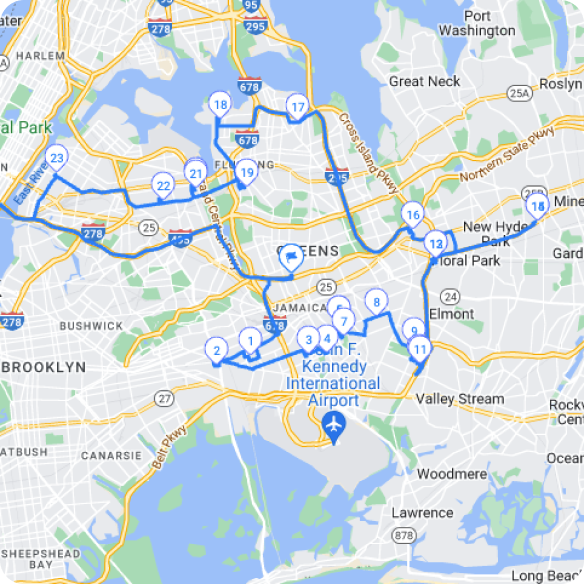
Efficient route optimization is crucial for e-commerce businesses to minimize delivery times and operational costs. Advanced route optimization features utilize sophisticated algorithms to calculate the most efficient delivery routes. By considering factors like traffic patterns, delivery windows, and vehicle capacities, these systems ensure that businesses can maximize their delivery efficiency and drive e-commerce success. The technology should also handle complex constraints such as priority deliveries and driver skills. - Real-Time Tracking:
Real-time tracking is essential for providing customers with visibility into their order status and ensuring transparency throughout the delivery process. Modern tracking capabilities enable customers to track their shipments’ progress from dispatch to delivery accurately. By offering accurate ETA notifications and delivery updates, businesses enhance transparency and trust, resulting in higher customer satisfaction and loyalty. Integration with branded tracking pages adds a professional touch to the customer experience. - Dynamic Route Adjustment:
In today’s dynamic business environment, the ability to adapt to changing conditions is crucial for e-commerce businesses. Dynamic route planning features allow businesses to respond quickly to factors such as traffic congestion, weather disruptions, or customer requests. By automatically recalculating routes and reallocating resources in real-time, these systems ensure that deliveries are made promptly and efficiently, even in unpredictable circumstances. - Integration Capabilities:
Seamless integration with existing e-commerce platforms, order management systems, and fleet management software is essential for streamlining delivery operations and improving workflow efficiency. Robust integration capabilities allow businesses to consolidate data and automate processes seamlessly. Popular integrations include Shopify, WooCommerce, and various CRM systems that eliminate manual errors, enhance collaboration, and accelerate order fulfillment. - Analytics and Reporting:
Data-driven decision-making is critical for optimizing delivery strategies and driving continuous growth and success in e-commerce. Comprehensive analytics and reporting features provide valuable insights into delivery performance metrics, such as delivery times, completion rates, and customer feedback. By analyzing these metrics, e-commerce businesses can identify areas for improvement, refine their delivery strategies, and ultimately enhance their competitiveness in the market.
The Impact of Automation on E-Commerce Delivery Success
Automation has revolutionized how e-commerce businesses approach delivery planning and execution. According to Bureau of Labor Statistics employment projections, the transportation and warehousing sector continues to evolve with technological advancement, emphasizing the importance of automated delivery solutions.
Automated delivery planning reduces human error, eliminates time-consuming manual processes, and ensures consistent service quality. Features like automatic stop assignment, capacity-based routing, and intelligent scheduling allow businesses to handle larger order volumes without proportionally increasing operational complexity. This scalability is crucial for e-commerce businesses experiencing rapid growth or seasonal demand fluctuations.
The integration of automation with customer communication has also transformed the delivery experience. Automated notifications via SMS and email keep customers informed throughout the delivery process, reducing support inquiries and increasing satisfaction. This proactive communication approach helps build trust and reduces the likelihood of delivery-related issues.
Conclusion – Why Choose Zeo?
In the competitive e-commerce landscape, efficient delivery planning tools are indispensable for achieving success. These tools serve as the backbone of seamless order fulfillment, ensuring timely deliveries, optimizing routes, and enhancing customer satisfaction. Zeo route planner serves as a great boost for your e-commerce growth strategies.
Optimize routes with our algorithm, reducing travel time and costs efficiently.
increase fuel savings
Save 2 Hours on Deliveries, Everyday!
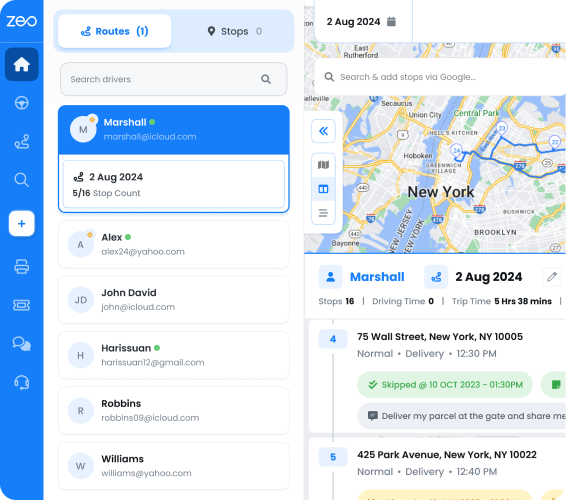
Elevate your e-commerce success with strategic delivery planning tools. Streamline operations, delight customers, and drive growth with features like route optimization, real-time tracking, and dynamic route adjustment.
Ready to revolutionize your delivery strategy? Schedule a free demo with Zeo today and unlock unparalleled success in the world of e-commerce.
Frequently Asked Questions
What are the biggest challenges in e-commerce delivery planning?
E-commerce delivery planning faces several key challenges including managing varying delivery time windows, optimizing routes across multiple locations, and maintaining cost efficiency while meeting customer expectations. Traffic congestion, driver availability, and seasonal demand fluctuations add complexity to daily operations.
How much can route optimization software reduce delivery costs?
Route optimization software typically reduces delivery costs by 15-30% through improved fuel efficiency, reduced vehicle wear, and optimized driver utilization. The savings come from eliminating unnecessary mileage, reducing delivery time per stop, and maximizing the number of deliveries per route.
What integration capabilities should delivery planning tools offer?
Essential integration capabilities include direct connections to e-commerce platforms like Shopify and WooCommerce, CRM systems, and various third-party applications through platforms like Zapier. These integrations eliminate manual data entry and ensure seamless information flow between systems.
How do real-time tracking features improve customer satisfaction?
Real-time tracking significantly improves customer satisfaction by providing transparency and reducing anxiety about delivery status. Customers can plan their schedules around accurate delivery windows and receive proactive notifications about any delays or changes.
Can delivery planning software help with proof of service documentation?
Yes, modern delivery planning software includes comprehensive proof of service features such as photo capture, digital signature collection, and detailed delivery notes. Zeo Route Planner offers these capabilities along with payment tracking for COD deliveries, serving businesses across 150+ countries with complete delivery documentation.
Are you a fleet owner?
Want to manage your drivers and deliveries easily?
Grow your business effortlessly with Zeo Routes Planner – optimize routes and manage multiple drivers with ease.
increase fuel savings
Hassle Free Deliveries & Pickups!
Optimize routes with our algorithm, reducing travel time and costs efficiently.
Get Started for Free