
Updated on: June 8, 2026
Reading Time: 4 minutes
TL;DR: Fleet route optimization is evolving through AI-powered algorithms, real-time tracking, and automated delivery assignments that reduce manual planning inefficiencies. Modern solutions analyze vast datasets and traffic patterns to deliver dynamic routing capabilities that save significant operational time. Route optimization tools like Zeo Route Planner address this with AI-powered route optimization and auto-assignment of stops to drivers, helping fleet teams save 2+ hours daily.
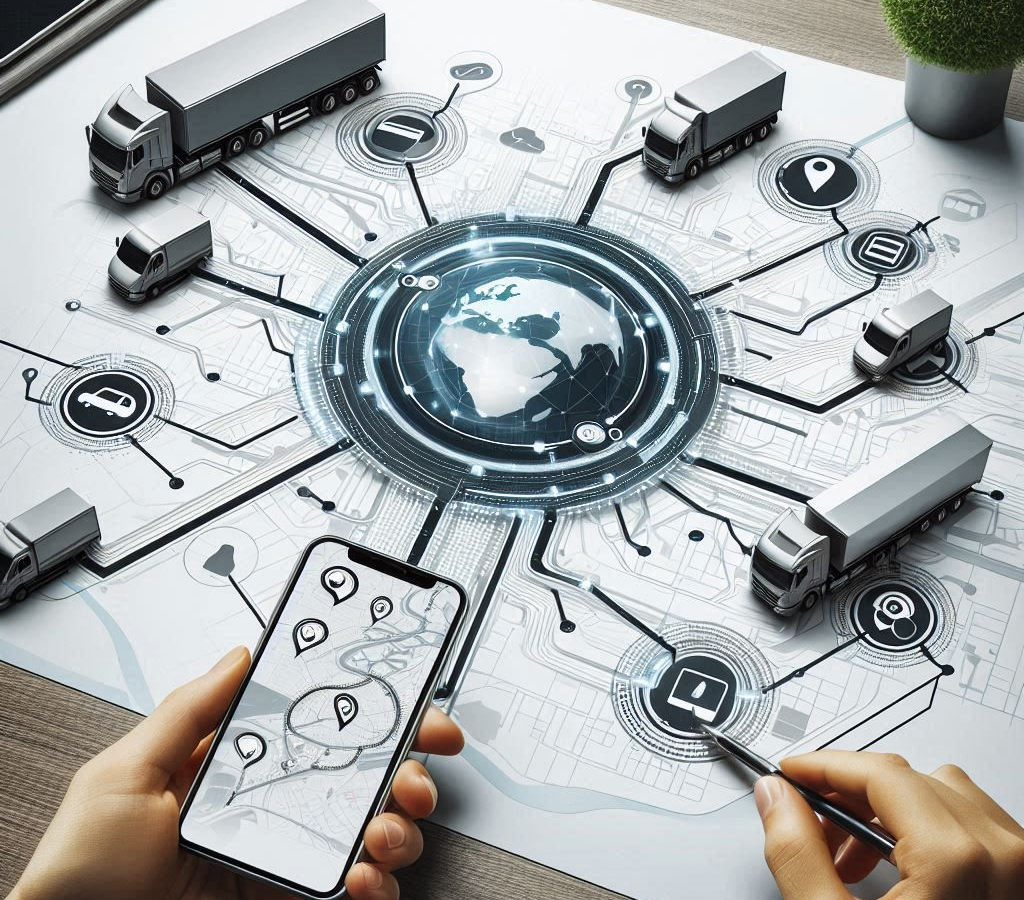
In the ever-evolving landscape of fleet management, the integration of cutting-edge technologies has become pivotal to staying ahead of the curve. One of the most transformative advancements is the incorporation of Artificial Intelligence (AI) and Machine Learning (ML) into route optimization strategies.
This article will delve into the trends shaping the future of fleet route optimization, and how Zeo as an advanced route management system is imbibing these innovations to revolutionize traditional management approaches.
Overview of Traditional Fleet Management
Traditional fleet management often involved manual route planning, assignment of deliveries, and limited real-time tracking capabilities. This approach, while functional, left room for inefficiencies, delays, and a lack of flexibility. As demands on fleets continue to grow, the need for more sophisticated solutions has become apparent.
While the traditional approach served its purpose, it was not without its challenges, such as:
- Manual Route Planning:
Route planning, a cornerstone of effective fleet management, was predominantly executed manually. Fleet managers would chart routes based on their knowledge of road networks, traffic patterns, and delivery locations. This manual process, however, was susceptible to human errors and lacked the precision demanded by the dynamic nature of transportation logistics.
- Assignment of Deliveries:
The assignment of deliveries, a critical aspect of fleet operations, involved the manual selection of stops for each driver. Fleet managers would allocate stops based on rudimentary criteria, often lacking the nuanced considerations necessary for optimal resource utilization. This manual approach not only consumed valuable time but also led to suboptimal assignment decisions.
- Limited Real-Time Tracking:
Traditional fleet management had limited capabilities for real-time tracking. Fleet managers had only a cursory understanding of the current location and progress of their vehicles. This lack of real-time visibility hindered the ability to address issues promptly, leading to delays, miscommunications, and an overall lack of operational agility.
- Inefficiencies, Delays, and Lack of Flexibility:
The manual nature of traditional fleet management inherently introduced inefficiencies. Delays were common due to inaccurate route planning, suboptimal assignment of deliveries, and the absence of real-time insights. Moreover, the lack of flexibility in adapting to unforeseen changes in real-time conditions made it challenging to navigate the complexities of modern logistics.
- Growing Demands, Evolving Solutions:
As the demands on fleets continued to grow, propelled by factors such as e-commerce expansion and increasing customer expectations, it became evident that traditional methods were reaching their limitations. The need for more sophisticated and technologically advanced solutions emerged as a crucial requirement for the industry to thrive in this rapidly evolving landscape.
Trends in Fleet Management with AI and Machine Learning
Manual fleet managers found themselves navigating through an increasingly complex web of challenges, from rising operational costs to the imperative of delivering faster and more accurately.
It became apparent that a paradigm shift was necessary, one that would leverage technological advancements to address the shortcomings of traditional fleet management and usher in a new era of efficiency, accuracy, and adaptability.
We will now explore the transformative trends in fleet management that Zeo utilizes to shape up as an effective aid in this transformative journey.
- Route Optimization Capabilities
Zeo utilizes AI and ML algorithms to redefin route optimization by analyzing vast datasets, considering historical traffic patterns, and adapting to real-time conditions. This results in dynamically adjusted routes that minimize delays, reduce fuel consumption, and optimize overall delivery efficiency.
- Fleet Customization
Zeo offers customizable features that cater to the unique needs of different businesses. Whether it’s defining specific operating areas, tailoring delivery priorities, or accommodating diverse vehicle types, customization ensures that the software aligns seamlessly with the intricacies of each fleet.
- Intelligent Auto-Assignment of Deliveries
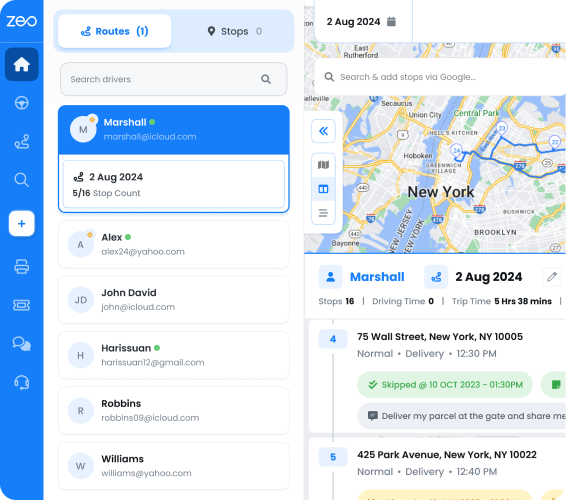
Gone are the days of manual stop assignments. Zeo’s AI-driven solutions intelligently auto-assign deliveries based on various factors such as driver proximity, workload, and delivery windows. This not only streamlines the assignment process but also optimizes overall resource utilization.
- Driver Management
Zeo provides comprehensive driver management tools, allowing fleet owners to monitor performance metrics, track driver behavior, and implement targeted training programs. This data-driven approach enhances driver efficiency, safety, and overall fleet productivity.
- Real-Time Navigation Tracking & ETAs
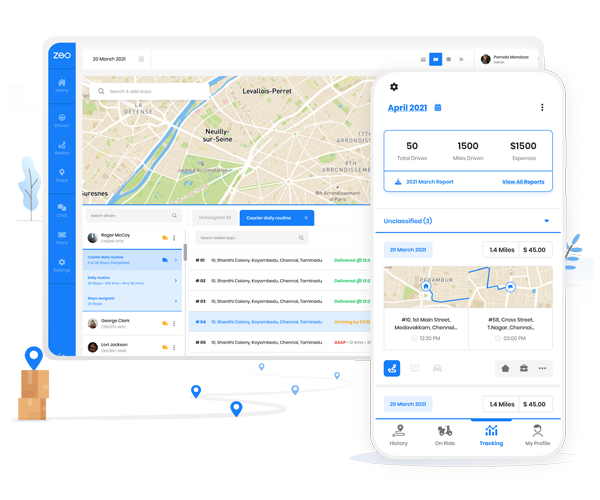
Real-time tracking has become a standard in fleet management, and Zeo offers accurate insights into the current location and progress of each vehicle. This feature not only aids in proactive issue resolution but also provides customers with precise Estimated Time of Arrival (ETAs), contributing to enhanced service reliability.
- Proof of Delivery
With Zeo, you can digitalize the proof of delivery process through electronic signatures and photos to ensure transparency and accountability. This not only reduces the risk of disputes but also establishes a comprehensive record of the delivery process for future reference.
- Enhanced Customer Engagement with Personalized Messaging
Zeo enables personalized customer communication through automated messaging. Customers receive updates, ETAs, and delivery confirmations tailored to their preferences, fostering a positive and engaging customer experience.
- Easy Search and Store Management
Efficient route optimization is complemented by easy-to-use interfaces that simplify the search for addresses, manage stops, and organize delivery routes. Intuitive store management features contribute to a seamless user experience, ensuring optimal utilization of the software.
- User Training and Support
Recognizing the importance of user adoption, Zeo prioritizes user training and ongoing support. Accessible training modules and responsive customer support contribute to a smooth onboarding process and efficient utilization of the software.
- Security & Data Compliance
With the increasing reliance on digital solutions, ensuring the security and compliance of sensitive data is paramount. You can integrate robust security measures and comply with data protection regulations, safeguarding both operational and customer information.
Bonus Read: Best Route Planner App 2026: Complete Business Guide
Conclusion
In navigating the future of fleet route optimization, the integration of AI and Machine Learning emerges as a transformative force. The trends outlined above collectively redefine traditional fleet management, offering unprecedented levels of efficiency, customization, and customer engagement.
Optimize routes with our algorithm, reducing travel time and costs efficiently.
increase fuel savings
Save $200 on fuel, Monthly!
As businesses continue to adapt to evolving market dynamics, embracing these trends becomes not just a choice but a strategic imperative for staying competitive and future-ready in the dynamic world of fleet operations. According to the Bureau of Transportation Statistics, efficient fleet operations are crucial for the $1.5 trillion freight transportation sector that continues to grow annually.
The implementation of advanced route optimization technologies has proven successful across multiple delivery verticals, from specialized courier services to large-scale distribution operations, and Zeo is just the perfect aid to launch you into it!
It’s time to take a leap into the future, so connect with our experts and book a free demo today!
Frequently Asked Questions
How much can AI-powered route optimization save fleet operations?
AI-powered route optimization typically reduces fuel costs by 10-20% and operational time by 15-30% compared to manual planning methods. The Department of Transportation reports that optimized routing significantly improves fleet efficiency and reduces environmental impact. Modern solutions analyze traffic patterns, delivery windows, and vehicle capacity constraints to achieve these savings.
What are the key features to look for in modern fleet management software?
Essential features include real-time GPS tracking, automated route optimization, proof of delivery capabilities, and driver performance analytics. Integration capabilities with existing business systems and customer notification features are also critical for comprehensive fleet management. Look for platforms that offer capacity-based routing and time window constraints to handle complex delivery scenarios.
How does real-time tracking improve customer satisfaction in delivery operations?
Real-time tracking provides customers with accurate delivery windows and live updates, reducing uncertainty and missed deliveries. Studies show that proactive communication about delivery status can improve customer satisfaction ratings by up to 40%. Features like SMS notifications and branded tracking pages help maintain professional customer relationships throughout the delivery process.
Can route optimization software handle different vehicle types and capacity constraints?
Yes, advanced route optimization platforms support multi-vehicle fleets with different weight and volume capacities, ensuring deliveries are assigned to appropriate vehicles. Modern systems also consider driver skills, work hours, and vehicle-specific constraints when creating optimal routes. Zeo Route Planner handles capacity-based routing and skill-based driver assignment across its 150+ country deployment, serving 1.5M+ users globally.
What is the typical implementation time for fleet route optimization software?
Most modern cloud-based route optimization solutions can be implemented within 1-2 weeks, including driver training and system integration. The onboarding process typically involves data migration, user training, and integration with existing business systems. Quick implementation is crucial for businesses looking to immediately benefit from improved operational efficiency and cost savings.
Are you a fleet owner?
Want to manage your drivers and deliveries easily?
Grow your business effortlessly with Zeo Routes Planner – optimize routes and manage multiple drivers with ease.

increase fuel savings
Save 2 Hours on Deliveries, Everyday!
Optimize routes with our algorithm, reducing travel time and costs efficiently.
Get Started for Free